
A push plate, fob reader and electric lock can all function individually while the entrance sequence still fails. Accessibility and security meet in the timing and behaviour of the complete opening.
Direct answer
The short answer
An automatic-door project should be designed as one entrance: operator, activation devices, door and frame, locking, access control, sensors, power, approved egress and failure behaviour. The security system must not defeat safe use, and the operator must not undermine the controlled-entry plan. Define the user journey, responsible trades and acceptance tests before installation.
Define the complete user journeys
Document how a resident, visitor, staff member, delivery person, mobility-device user and emergency responder approaches, authenticates, opens, passes through and leaves. Include people who do not use smartphones.
| User | Entry question | Exit question |
|---|---|---|
| Resident | Which fob, mobile, key or automatic activation is approved? | Is exit automatic, manual or access-controlled? |
| Visitor | Does intercom release start the correct opening sequence? | Can the person exit without a credential? |
| Mobility-device user | Are reach, timing, clear space and door movement suitable? | Is enough time available to clear the opening? |
| Staff or delivery | Which schedule and entrance apply? | How is after-hours exit handled? |
| Emergency responder | What approved access arrangement exists? | How are life-safety functions preserved? |
Coordinate the opening components
Write who supplies, installs, connects and tests each part. One party should coordinate the final sequence even when several regulated or specialist trades are involved.
- Door operator and control
- Push plate, wave sensor or other approved activation
- Credential reader and controller
- Electric strike, magnetic lock or other locking hardware
- Door position, request-to-exit and safety sensors
- Power supplies, batteries and electrical work
- Intercom door-release relay
- Fire-alarm or life-safety interface where required
- Door, frame and closer condition
Set the sequence before programming
A typical secured automatic entrance must verify authorization, release the lock, allow the operator to open the door, keep it available long enough for passage, close without conflict and confirm the door is secure. The exact sequence depends on the approved hardware and code requirements.
- User presents an approved credential or receives approved visitor release
- Access controller grants the opening
- Lock releases for the defined interval
- Operator receives the open command
- Safety devices monitor the movement
- Door remains open for the approved time
- Door closes and latches
- Access system records the configured event and reports faults where supported
Test normal, accessible and failure conditions
Acceptance should include real people and workflows, not only a technician pressing a button once.
- All approved activation devices
- Credential granted and denied conditions
- Intercom visitor release
- Opening time and passage at practical speeds
- Door obstruction and safety-sensor response
- Close and secure confirmation
- Building power and network interruptions under an approved test
- Mechanical and authorized manual operation
- Fire-interface behaviour where applicable
- Clear user instructions and support contact
Avoid common scope gaps
Frequent problems include a new operator on a door that does not align or latch; reader timing that re-locks before the operator starts; a push plate that bypasses intended entry control; no plan for power loss; and unclear responsibility between the security, door, electrical and fire-alarm contractors.
Tiffany Shores provides documented integrated proof
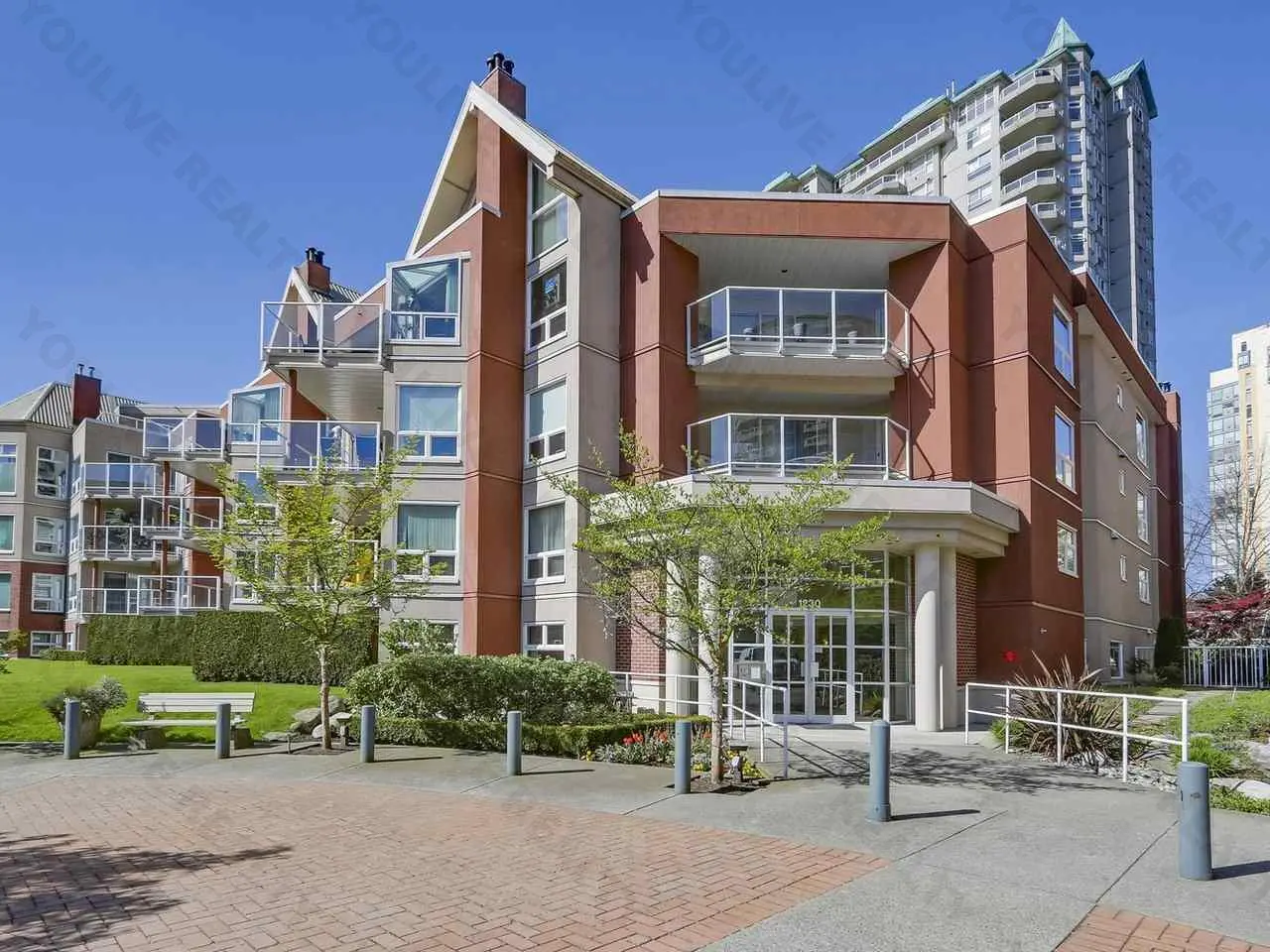
The published Tiffany Shores project records eight automatic-door operators, four video intercoms, 23 controlled doors, two gate controls and two UHF readers. That verified scope shows why automatic entry may need to coordinate with visitor calling, credentials and vehicle access. It is not a claim that the same design is appropriate for every property.
Frequently asked questions
Questions property teams ask
Can an automatic door also remain access-controlled?+
Yes. The approved sequence can release the lock and activate the operator after a valid credential or visitor release. Hardware and timing must be coordinated.
Does installing a push plate make an entrance accessible?+
Not by itself. Approach, reach, clear space, door force and speed, timing, hardware, route and applicable code requirements all matter.
What happens during a power failure?+
It depends on operator, lock, controller, backup power and approved life-safety design. The expected behaviour and manual method must be documented and tested.
Who should test the final entrance?+
The responsible contractors should test their scope together, with the owner or representative witnessing the complete user sequence and required inspections or approvals supplied.
Sources & further reading
Primary references
Want advice for a specific property?
Share the existing system and the outcome you want to achieve.
Request a Site Assessment