
‘The building has battery backup’ is not a complete answer. The opening only works as planned when the controller, lock, reader, intercom, network equipment and any gate or elevator interface all have defined failure behaviour.
Direct answer
The short answer
A strata emergency-access plan should document which doors, gates, intercoms, readers, network devices and elevator interfaces remain powered; how people exit; how emergency responders and authorized staff enter; what mobility support is required; and who communicates the temporary procedure. Test the whole access chain with the responsible security, electrical, gate and elevator contractors—without bypassing fire, egress or safety controls.
Map the failure events separately
Power, internet, cloud, controller, lock, gate and elevator faults affect different functions. Record the expected behaviour for each one.
| Event | Questions the plan must answer |
|---|---|
| Building power failure | What is battery- or generator-backed, for what approved load and how is low battery reported? |
| Internet failure | Which stored credentials and local door schedules continue? Which remote features stop? |
| Intercom or provider outage | How do visitors, residents and responders communicate and enter temporarily? |
| Controller or reader failure | Which openings are affected and what authorized manual method remains? |
| Gate failure | Who makes the moving equipment safe and how is vehicle access managed? |
| Elevator failure | Which elevator contractor responds and how are affected residents supported? |
| Fire or evacuation | How do approved egress, release and responder-access functions operate? |
Create an access-chain inventory
For every important route, document the entrance, credential, reader, controller, power supply, battery or generator connection, lock, mechanical override, intercom, network path and connected elevator or gate. Name the contractor responsible for each component.
- Main resident entrances
- Parkade vehicle and pedestrian routes
- Elevator lobbies and approved floor controls
- Stairs, exits and refuge or mobility-support procedures
- Fire-department or responder access arrangements
- Equipment rooms and manual override points
- Property-manager and after-hours contacts
Protect egress while controlling entry
Security controls entry; life-safety rules protect exit. An outage plan must preserve the approved behaviour of exit hardware, electromagnetic locks, automatic doors, fire interfaces and elevators. Do not improvise by changing relay logic or holding a required door in an unapproved state.
Has the responsible fire, door, electrical, gate or elevator professional confirmed the proposed failure behaviour where their scope is involved?
Plan for residents with mobility or communication needs
A failed elevator can create a much larger access problem than a failed reader. The strata emergency plan should identify how information reaches residents, how welfare checks or approved assistance are coordinated and which public guidance applies. A security contractor cannot promise elevator service or individual evacuation assistance.
- Current emergency contacts and communication channels
- Accessible entrance and automatic-door behaviour
- Non-smartphone communication and credential options
- Approved mobility-support procedures
- Clear limits on what concierge, council, management and contractors will do
Test the plan as a sequence—not isolated devices
A reader can show a green light while a door remains locked, or a controller can run on battery while the network switch serving an intercom is off. Test the entire route under a controlled, approved procedure.
- Notify residents and responsible contractors
- Record normal operation before the test
- Simulate only the approved failure condition
- Test exit first and entry second
- Verify local credentials, intercom, gate and elevator interfaces
- Confirm alerts and responsible contacts receive them
- Restore normal operation and re-test
- Record results, limitations and corrective actions
Prepare a one-page temporary access notice
A temporary notice should identify the affected entrance or system, effective time, safe alternate route, who may provide authorized assistance, the contact for updates and when the next update will be issued. Do not publish confidential override details or administrator credentials.
Use connected-project evidence carefully
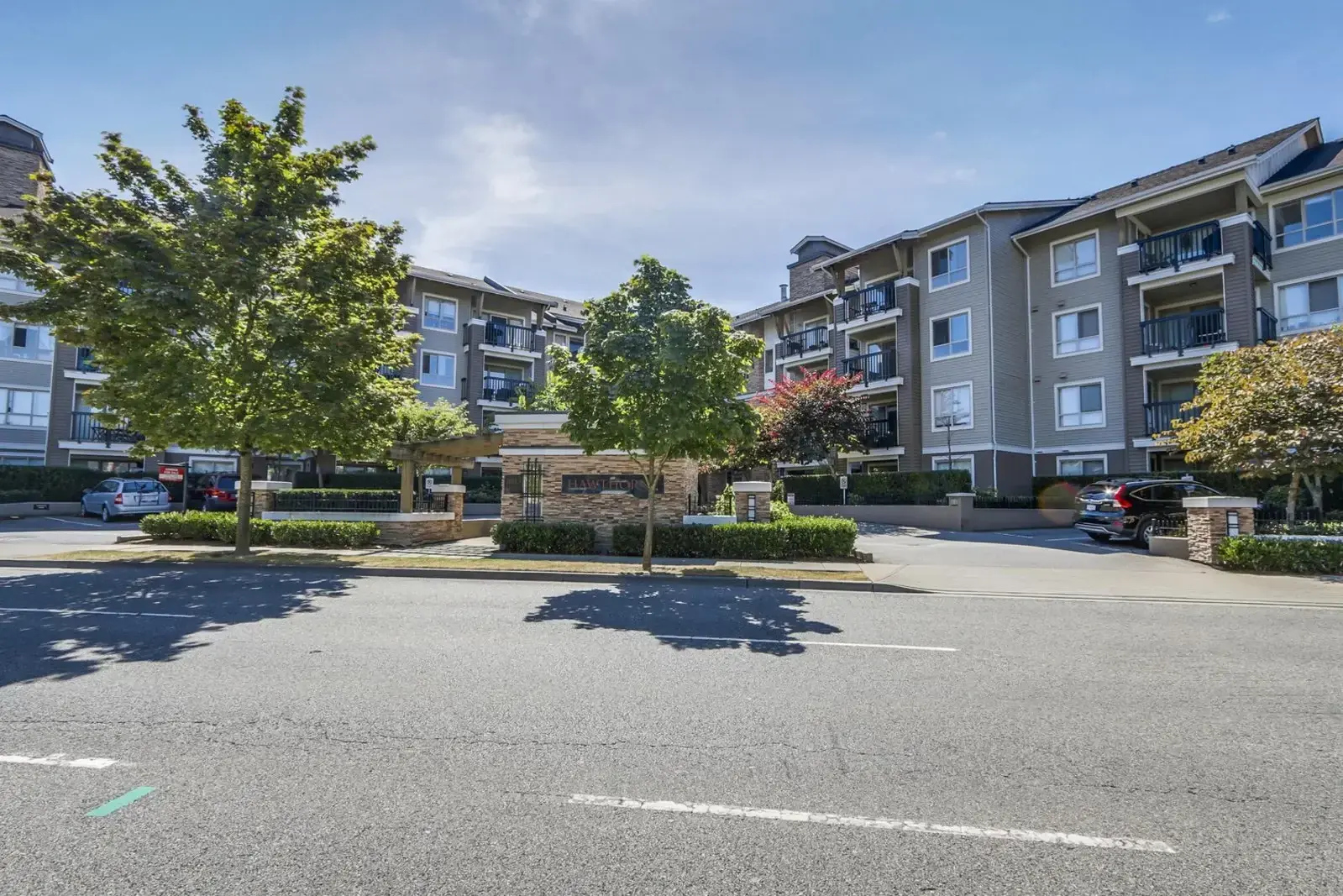
Hawthorne documents two intercoms, 23 controlled doors, two gates and two elevator controls in one 120-unit project. That verified scope shows why outage planning must cross system boundaries; it does not establish the emergency behaviour of another building.
Frequently asked questions
Questions property teams ask
Will every fob door stop working when the internet fails?+
Not necessarily. Many controllers can validate stored credentials locally, but mobile, remote, intercom or synchronization functions may be affected. Confirm the installed design.
Does battery backup keep the whole entrance working?+
Only if every required component and its load are included. Controller, lock, reader, intercom and network equipment may have different power paths.
Can council change a lock to fail open during an outage?+
Do not change locking or fire-interface behaviour without the responsible qualified professionals and required approvals. Entry security and safe egress must be coordinated.
What should residents do during an elevator failure?+
Follow the building’s approved emergency plan and updates from management or emergency services. Call 911 for life-safety emergencies; do not attempt an elevator rescue.
How will emergency responders enter a fob-controlled building?+
The property should document and maintain its approved responder-access arrangement, contact information and alternate route. The exact method depends on the building and local requirements; do not publish or improvise confidential override details.
Sources & further reading
Primary references
Want advice for a specific property?
Share the existing system and the outcome you want to achieve.
Request a Site Visit