
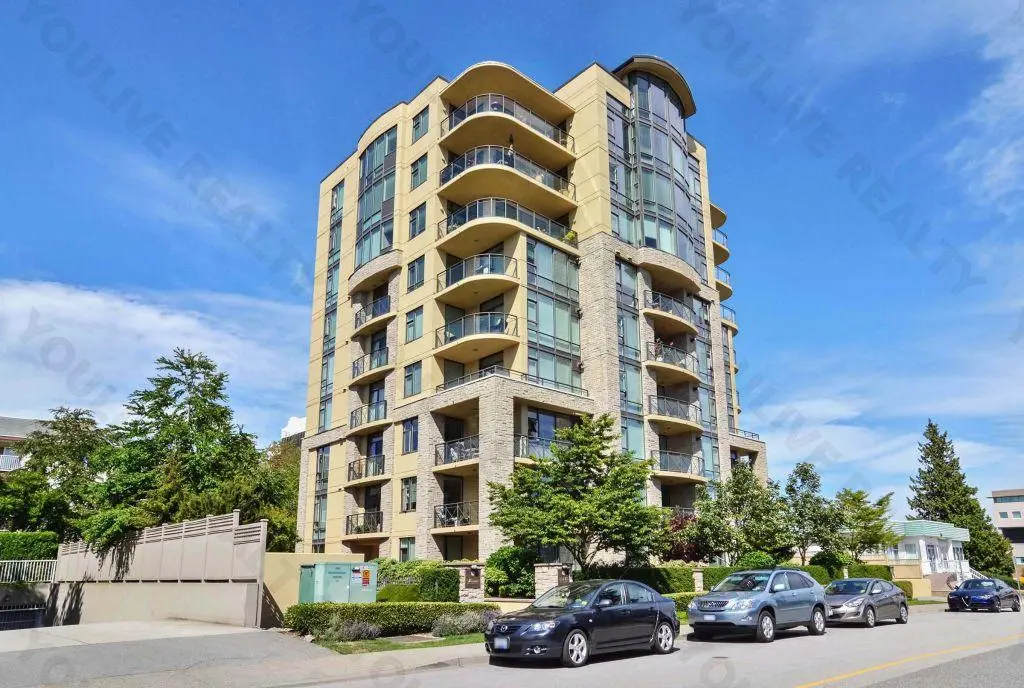
Camera installation alone does not make a system PIPA-compliant. The strata remains responsible for why footage is collected and how it is viewed, retained, exported and deleted.
Direct answer
The short answer
A BC strata may use CCTV when surveillance has a specific, reasonable purpose and the collection, use, disclosure and protection of footage comply with PIPA. Before installation, document each camera’s purpose, appoint a privacy officer, limit camera views, provide clear notice, restrict access, set a justified retention period, protect the recorder and define how incidents and information requests will be handled.
The ten-point BC strata CCTV checklist
Record the council decision and the technical evidence that shows the installed configuration matches the approved purpose.
| Check | Council or management decision | Evidence to retain |
|---|---|---|
| Purpose | Which incident or risk does each camera address? | Risk map and one-sentence purpose per view |
| Governance | Who is the privacy officer and who approves access? | Policy, decision and public contact |
| Limited collection | Is every part of the image needed? | Camera schedule, sample view and privacy masks |
| Notice | How will people know surveillance operates? | Installed signs matching policy language |
| Permissions | Who needs live, playback, export or admin rights? | Named-user permission matrix |
| Retention | How long is footage needed for the stated purpose? | Written target and tested oldest recording |
| Protection | How are recorder, accounts and exports protected? | Account list and configuration record |
| Disclosure | Who approves police, insurer or resident exports? | Request and disclosure log |
| Requests | Who handles access and correction requests? | Written request workflow |
| Review | Does purpose, placement and access remain appropriate? | Annual and post-incident review record |
Start with a purpose—not a camera count
‘Record vehicles entering the P1 parkade so authorized management can investigate reported unauthorized entry or property damage’ is a usable purpose. ‘General security’ is not specific enough to guide placement, permissions or retention.
The BC OIPC’s strata guidance explains that surveillance in a parking area with break-ins may be reasonable after other measures have not solved the problem. That does not make every possible hallway, amenity or parkade camera automatically reasonable.
Limit every view to the information actually needed
Confirm the incident question and image detail before mounting a camera. Highly sensitive spaces require much stronger justification than a controlled entrance or a parkade with documented incidents.
- Remove neighbouring property, private balconies, unit interiors and unrelated areas from the view
- Use privacy masking where it can block unnecessary collection
- Test whether the image remains useful after dark
- Choose overview, face detail, vehicle context or dedicated plate capture deliberately
- Disable audio, facial recognition and other biometric functions unless separately justified and reviewed
Assign a privacy officer and create an operating policy
Section 4 of PIPA requires an organization to designate someone responsible for compliance and make that person’s title and contact information available. Section 5 requires policies, practices and a complaint process. If the policy and recorder configuration disagree, one of them must change.
- Approved purpose and recorded areas
- Continuous or event-based recording
- Live, playback, export and administrator roles
- Retention and deletion
- Police, insurer and resident requests
- Privacy-officer contact
- Complaint and breach procedure
There is no universal 30-day rule
PIPA does not set one CCTV retention period for every building. Connect retention to the documented purpose, normal incident-reporting delay and legitimate legal or business needs.
Section 35 generally requires information used to make a decision directly affecting a person to be retained for at least one year so that person has a reasonable opportunity to request access. Otherwise, information should be destroyed or anonymized when the original purpose is no longer served and retention is no longer necessary for legal or business reasons.
Use a controlled incident and export workflow
A consistent workflow protects the evidence and reduces unnecessary disclosure.
- Record the requester, incident, location and time range
- Confirm the request fits the approved purpose and disclosure authority
- Preserve only relevant material where justified
- Protect third-party personal information
- Export to an approved controlled location
- Record who accessed, exported or received it
- Delete working copies under the policy
Commission and review the actual recording system
A live view does not prove that useful historical footage exists. Test the system at acceptance and during scheduled reviews.
- Every camera purpose is documented
- Day and night images answer the intended question
- Camera and recorder clocks match
- Playback exists for every critical camera
- Oldest recording matches the approved target
- A sample export opens on a separate computer
- Former users are removed
- Disk, offline-camera and tamper alerts reach a current contact
- Remote access, firmware and passwords are reviewed
Frequently asked questions
Questions property teams ask
Does PIPA prohibit CCTV in a BC strata?+
No. Surveillance must have an appropriate purpose and comply with rules for collection, use, disclosure, protection, access and retention.
Does posting a CCTV sign make every camera lawful?+
No. Notice is important, but it does not cure excessive or unreasonable collection.
Can council watch cameras whenever it wants?+
Access should be limited to authorized people and the documented purpose, not curiosity-based viewing.
Can a camera record sound?+
Audio is more intrusive and should not be enabled automatically. It requires separate justification, authority and privacy review.
How long should strata footage be retained?+
There is no universal number. The period should be justified by purpose, reporting delay, privacy exposure and legal or business needs.
Sources & further reading
Primary references
Want advice for a specific property?
Share the existing system and the outcome you want to achieve.
Request a Site Assessment