Security technology is moving fast. Strata decision-making usually cannot—and should not. Councils must compare budgets, privacy, resident needs, building wiring, vendor support and long-term operating cost before approving an upgrade.
Here are seven trends worth understanding across Vancouver and the Lower Mainland in 2026, with the practical question to ask before buying each one.
Direct answer
The short answer
The most useful 2026 strata-security trends are searchable video analytics, mobile credentials with fallback access, smarter video intercoms, integrated gate and parkade control, automatic system-health alerts, privacy-by-design and cybersecurity built into maintenance. The winning strategy is integration and support—not novelty for its own sake.
1. Video that helps you search—not just watch
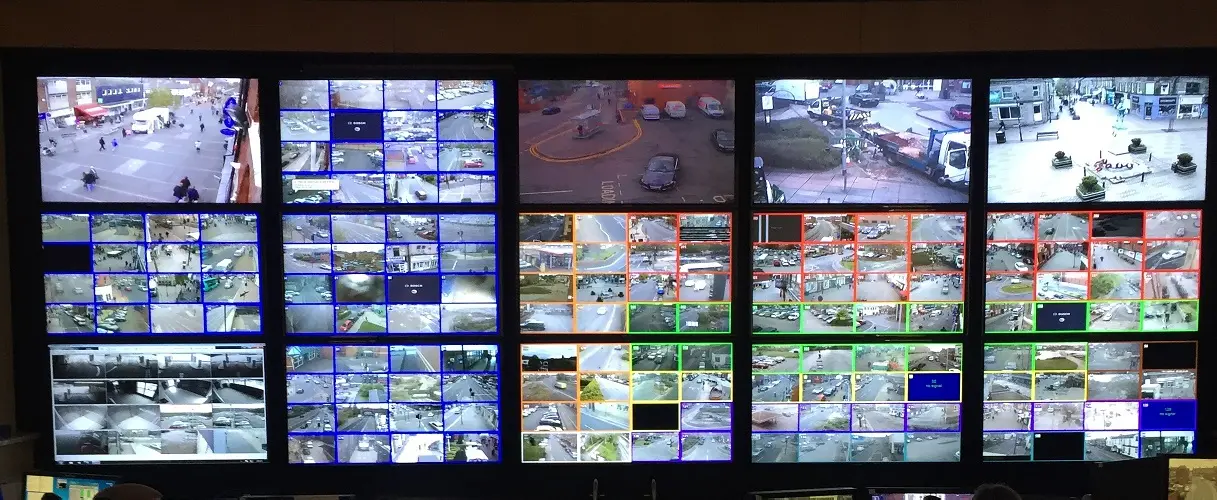
Modern camera platforms can attach metadata to video so authorized users can search by time, motion, direction, object type or other supported attributes. Used carefully, analytics can shorten investigations and reduce hours of manual review. They are not perfect and should not be treated as automatic proof.
Which analytics run on the camera, which depend on a cloud service, how are false alerts handled, and can the building export the original video alongside search results?
2. Mobile credentials—with a real fallback plan
Residents increasingly expect to use phones and wearables for everyday entry. Mobile credentials can simplify issuance and revocation, but a strong design also accounts for dead batteries, incompatible devices, visitors, staff, accessibility and outages. Fobs, cards, PINs or staffed procedures may remain part of the solution.
What happens when the phone, internet or vendor cloud is unavailable—and can management revoke access immediately when a resident moves out?
3. Video intercoms that solve the delivery problem
A modern intercom can let residents see and speak with visitors, answer from a phone, and provide controlled entry. Timed visitor codes or approved delivery workflows can reduce door propping and repeated calls, but rules should prevent long-lived codes from becoming a new master key.
Can the system support residents who use landlines or prefer an indoor station, and are visitor permissions time-limited and auditable?
4. Parkade and gate access treated as part of the building
Vehicle gates, overhead doors, pedestrian doors, elevators and lobby access often live in separate systems. Integration can create a smoother resident journey and clearer event history, but only when life-safety operation, emergency release and hardware compatibility are designed correctly.
Which system is the source of truth for residents, vehicles and schedules—and what is the safe behaviour during power, fire-alarm or network events?
5. Systems that report their own health
An offline-camera alert, storage-failure warning or door-held-open alarm is valuable only if it reaches a responsible person and produces a response. Health monitoring is becoming as important as image resolution because unnoticed failure creates false confidence.
Who receives each alert, how quickly must it be acknowledged, and is the response recorded?
6. Privacy-by-design, not privacy-by-apology
Camera footage, access logs, intercom video and resident profiles can all contain personal information. In British Columbia, private organizations are generally subject to PIPA rules governing collection, use, disclosure and protection. Buildings should define purpose, limit access, post appropriate notice, set retention and respond to requests through an approved policy.
What personal information is collected, why is it necessary, who can see it, where is it stored, how long is it kept and how will the property secure it?
7. Cybersecurity becomes routine maintenance
Camera and access systems are networked technology. Firmware, administrator accounts, remote-access settings, encryption, backups and network segmentation need an owner and a schedule. A system can be physically well installed and still be poorly defended online.
Who tracks product advisories, applies updates, reviews accounts, tests recovery and documents the building’s technology inventory?
A better way to approve a security upgrade
WeTech Security Solutions helps strata councils, property managers and building owners plan upgrades across Vancouver, Surrey, Burnaby, Richmond, New Westminster, Coquitlam, Delta, Langley, White Rock, North Vancouver and nearby communities. The goal is not to chase every trend. It is to choose the few technologies that make the building safer, easier to manage and better to live in.
- Write the problem in one sentence before discussing brands.
- List the doors, cameras, gates, elevators, residents and management workflows in scope.
- Separate must-have outcomes from impressive but optional features.
- Request a compatibility and cybersecurity review of existing equipment and networks.
- Ask for the complete five-year cost: hardware, licensing, connectivity, support, replacements and training.
- Pilot the resident and property-manager workflow with real users.
- Approve a privacy, access and maintenance plan before go-live.
Frequently asked questions
Questions property teams ask
What is the biggest strata security trend in 2026?+
Integration is the larger trend: access control, intercoms, cameras, gates and management workflows are being planned together instead of as isolated devices.
Are AI security-camera alerts always accurate?+
No. Accuracy depends on scene, lighting, positioning, configuration and the type of analytics. Alerts should support trained human review rather than replace it.
Does a strata need a privacy policy for cameras and access logs?+
A documented privacy approach is strongly recommended. The property should understand its legal obligations, purpose, notice, access, retention, security and response procedures.
Should a building move entirely to mobile access?+
Usually not without a fallback plan. Resident demographics, device compatibility, accessibility, outages and emergency procedures should shape the credential mix.
How should council compare security quotes?+
Compare scope, outcomes, warranty, support, licensing, cybersecurity, privacy, training, compatibility and five-year cost—not only the upfront equipment price.
Sources & further reading
Primary references
Planning a 2026 security budget?
Bring WeTech the problem first. We can map practical options for CCTV, access control, intercoms, gates, alarms and automatic doors.
Request a Site Assessment