Edited from the video captions for clarity while preserving the customer’s meaning.
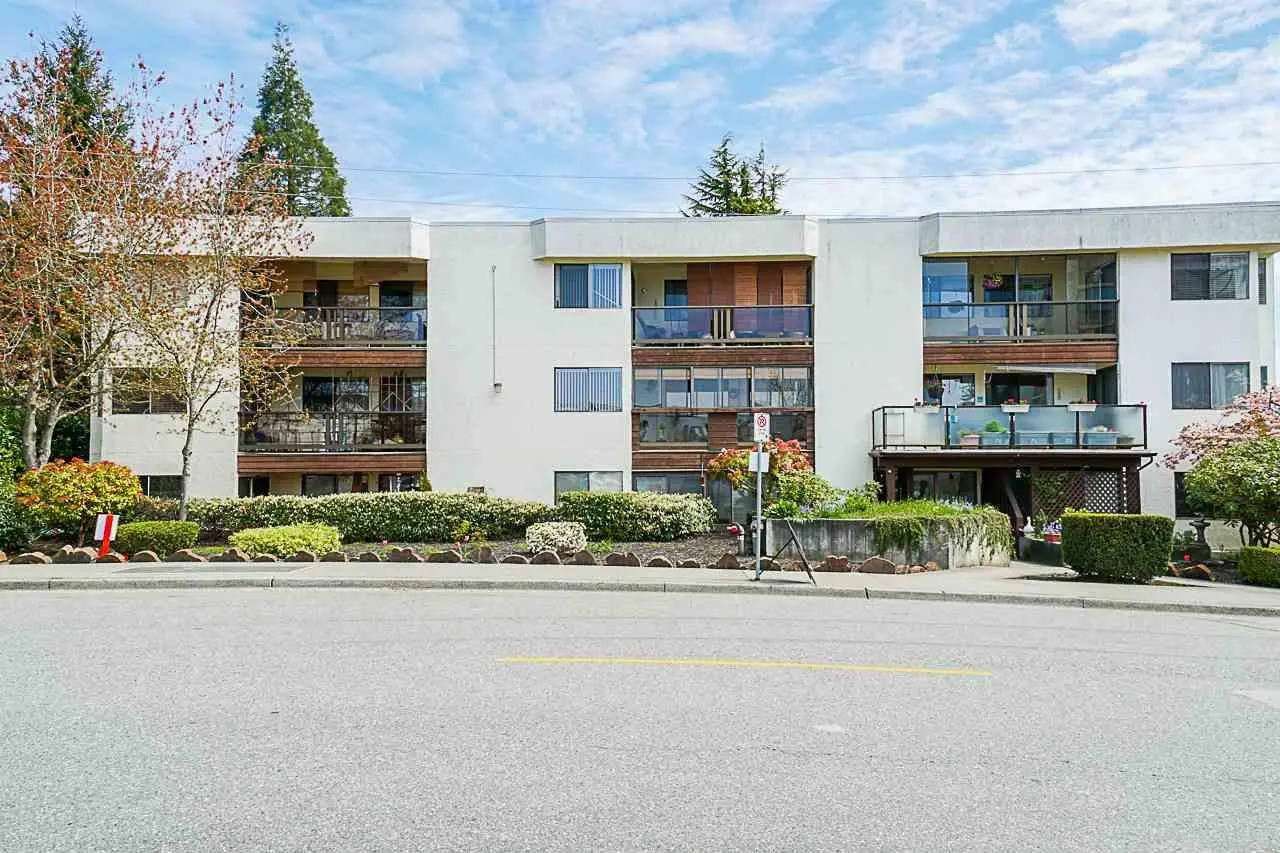
I’m Shelly, and I live in an older building in White Rock where I serve as a council member. Before the upgrade, we still had the building’s original audio intercom. A visitor could buzz a suite, and the resident needed to answer a landline and press a button to let them inside.
The old system felt very basic because we could hear a visitor but could not see who was calling. Someone could say they were a police officer or an Amazon driver, but residents had no visual confirmation. If we were at work, shopping or otherwise away from the building, we did not know someone had called and often missed deliveries.
After the upgrade, residents could receive intercom calls on their phones and see the visitor live before granting access. Shelly explains that she can answer a delivery call while at work, confirm who is there, unlock the entrance and ask the driver to leave the package at her suite door.
The video also changed how residents respond to unexpected late-night calls. Shelly recalls occasions when people came to the building and buzzed multiple suites trying to get inside. Because residents could see who was at the entrance, they did not release the door and contacted police. Enrolled residents can also use facial recognition, while fobs provide another convenient way to enter or give a short-term visitor access.
The building retained its physical keys, giving residents a familiar way to enter during a power interruption or when they do not have a fob. Residents can also open the underground garage from a phone, which helps when a fob is unavailable or when a trusted visitor needs access to the parkade while the resident is away.
Shelly says the resident transition was straightforward. WeTech held a meeting in the lobby, invited residents with advance notice, enrolled participating users and demonstrated how the system worked. She was also trained to help residents who could not attend and received administrative access to review logs, update directory names and change resident information when an owner or renter moves.
Having several entry methods matters in a strata community because not every resident wants to use the same option. Residents can choose facial recognition, Bluetooth, a fob or a physical key. If a lock develops a problem or somebody loses a credential, the additional methods reduce the risk of being unable to enter and can reduce avoidable calls to council.
Residents who do not have a cellphone, find smartphones difficult or do not want facial recognition can continue using conventional landline calling. More than a year after installation, Shelly says resident changes have been quick to manage, the system has operated smoothly and the community’s feedback has been positive. She recommends WeTech because the team arrived as promised, worked late to complete the installation properly and left a clean finished result.