
Direct answer
What property owners and managers should know
Buying a credential and programming it into a building are separate steps. The exact brand, model, frequency, format, facility code and authorized building database determine whether a fob, card or remote can be issued and used safely.
Identification and replacement
Start with the exact credential and the building's authorization process.
What information is needed to replace a fob, card or gate remote?+
Provide clear photos of both sides, the brand and model markings, any authorized label or number and the property contact. Programming may also require the facility code, bit format, receiver type or access database, which should come from authorized building records rather than guesswork.
Can an unprogrammed fob bought online be added to my building?+
Only if the credential technology, format and number range are compatible and the authorized building administrator agrees to enroll it. A matching shape or logo does not prove that it will work.
Does a passive door fob have a battery?+
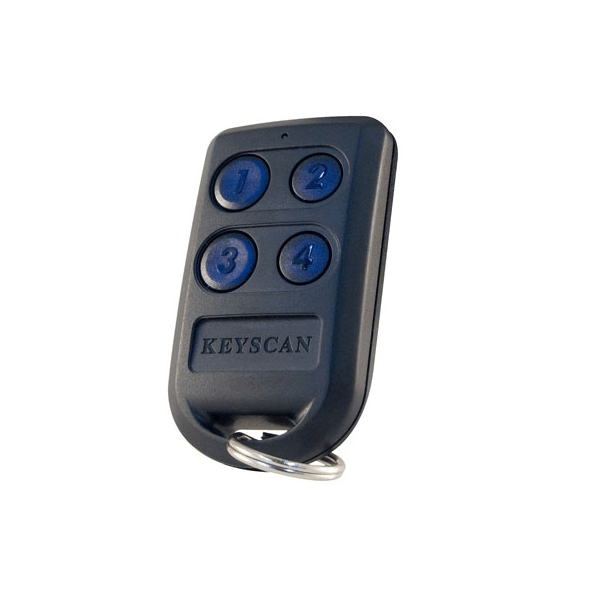
Most passive proximity and smart-card credentials are powered by the reader's field and do not contain a replaceable battery. Push-button gate remotes usually do use a battery, which is one reason the two products should not be treated as the same device.
Can one credential work at the lobby, elevator, amenities and parkade?+
Yes, when the systems share a compatible credential or use a combined device and each permission is assigned in the authorized databases. One physical device does not necessarily mean one controller or one log behind the scenes.
Copying, issuing and troubleshooting
A unique managed credential gives the building more control than an unmanaged clone.
What is the difference between cloning a fob and issuing a new fob?+
A clone can repeat the original identifier, so the access system may see both devices as the same credential. A newly issued unique credential can be assigned, audited and revoked independently, which is generally better for building administration.
Can management deactivate a copied fob without disabling the original?+
Not always. If the copy and original present the same identifier, disabling that identifier may stop both; this is why lost or shared credentials should be replaced with unique enrolled credentials when possible.
Why does a copied fob work at one door but not the elevator or gate?+
Different openings may use different technologies, formats or databases, and a combined credential can contain more than one component. Copying one identifier does not reproduce every technology or permission in the original device.
Why does my fob work at some readers but not others?+
The credential may lack permission, be outside its schedule or use a technology unsupported at that reader. Reader faults, wiring, controller communication and door hardware can create the same symptom, so the event log and physical opening should both be checked.
Fees and authorization
Replacement rules differ for residents, tenants, owners and strata corporations.
How much can a BC landlord charge for a replacement or extra fob?+
BC tenancy rules distinguish the tenant's sole means of entry from additional or replacement devices and allow only specific charges in specific circumstances. A strata charge to an owner is a different relationship, so confirm the current rule and the governing agreement instead of applying one universal fee.
Can WeTech program a credential without building authorization?+
Programming should be authorized by the property owner, strata, manager or other person responsible for the system. Supplying a compatible device does not grant permission to add it to a private building database.