Complete service guide
What property owners and managers should know
Start with people, entrances and incidents
The design begins by mapping residents, employees, visitors, deliveries, cleaners, contractors and administrators. Each group receives only the entrances, floors, gates, schedules and management permissions it needs.
We also define the incidents the property must prevent, detect or investigate. That determines where access events, alarm zones and camera views should connect—and where integration would add complexity without a useful outcome.
Intercom and access control should share an entry workflow
A visitor call can unlock the approved entrance and, where compatible, temporarily enable the correct elevator floor. Resident or staff credentials can use the same management record for pedestrian doors, parkades and amenities.
The entrance station, reader, controller, lock, door contact, request-to-exit device and power supply still have separate responsibilities. Integration does not mean relying on one device as the only point of control.
Link access and alarm events to useful CCTV
A forced door, after-hours credential or intrusion alarm can create a camera bookmark, raise a notification or guide an authorized user to the relevant video on compatible platforms. This shortens investigation without promising that an event log proves who physically entered.
Camera retention, access-log retention, authorized viewers and export procedures should be defined before the integrations are enabled.
Gates, parkades, elevators and automatic doors
Vehicle credentials, gate intercoms, pedestrian access and elevator permissions can follow one resident identity when the approved equipment supports it. An automatic door can release and open in sequence after a valid credential or visitor approval.
Mechanical gate safety, regulated elevator work, door hardware and life-safety interfaces remain within the appropriate qualified trades. WeTech coordinates the security controls and documents the handoff points.
One dashboard is not always the best architecture
A single platform can simplify management, but it may introduce licences, internet dependencies or vendor lock-in. A well-designed hybrid can keep local door decisions, onsite video recording and separate life-safety functions while still sharing approved events and administration.
We compare ownership, offline behaviour, cybersecurity, recurring fees, export capability and support before choosing between one platform and coordinated systems.
Documented Lower Mainland integration proof
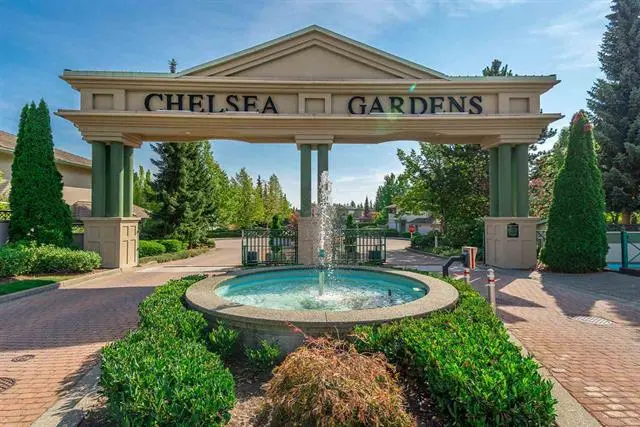
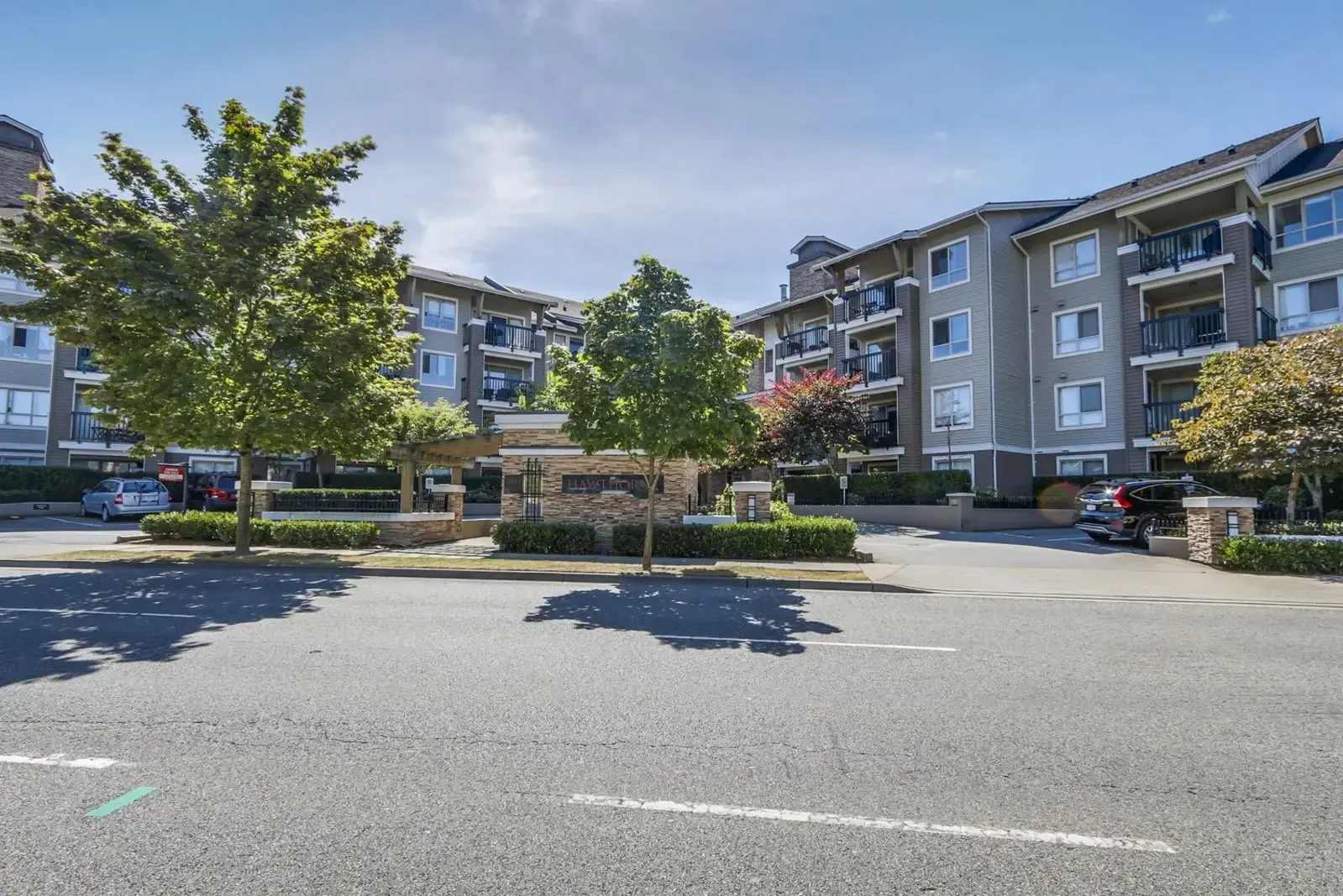
Chelsea Gardens connects 40 controlled doors, seven video intercoms and six gate controls across a 400-unit Surrey community. Hawthorne coordinates two video intercoms, 23 controlled doors, two gates and two elevator controls for 120 Langley units.
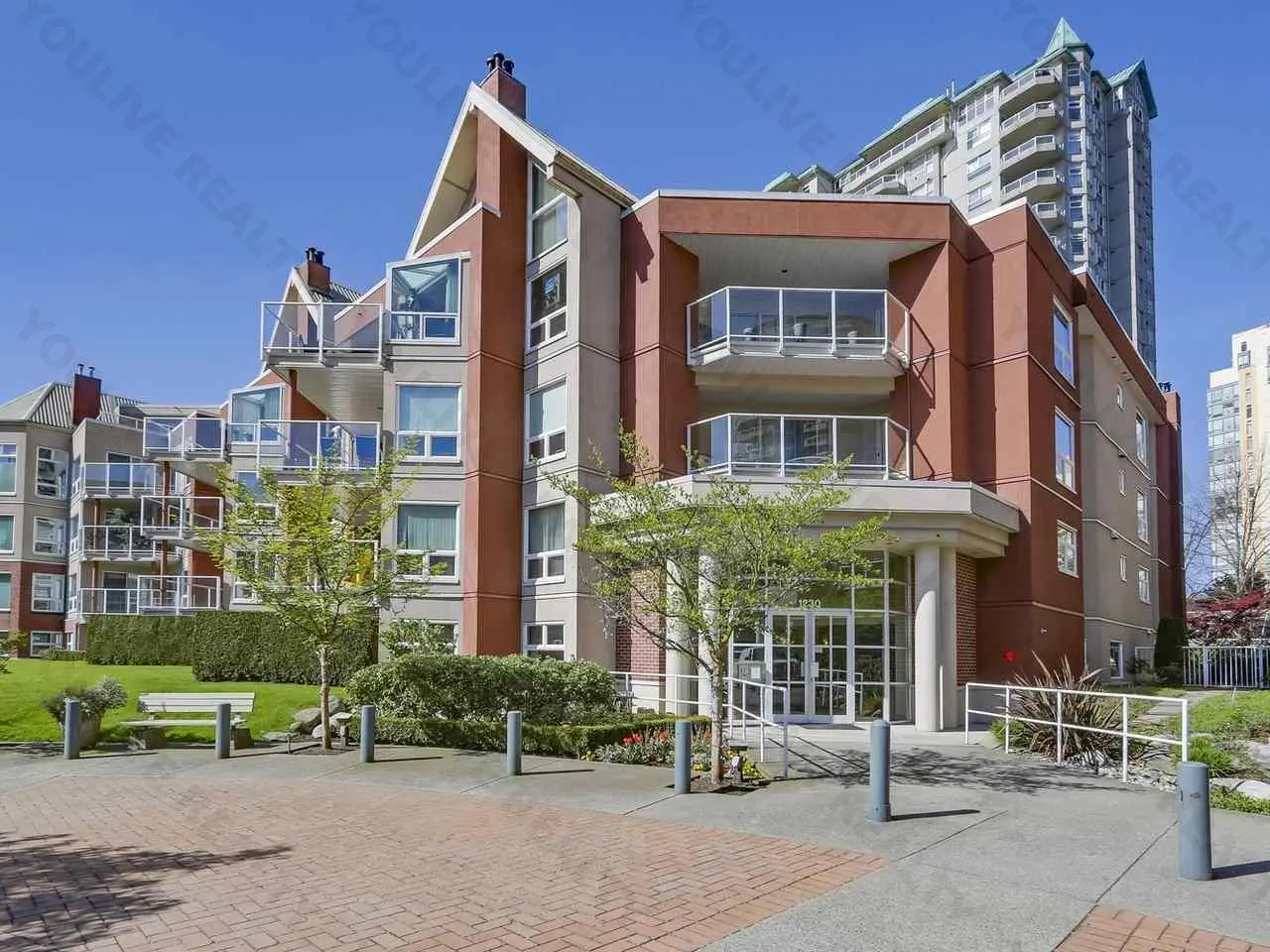
Tiffany Shores in New Westminster connects four-building visitor entry, resident access and gate control. These projects demonstrate integration at different scales without presenting one building's scope as a template for another.
Systems and brands
Equipment selected for the project
Integrated designs may involve Akuvox, Aiphone, Mircom, Keyscan, Kantech, ICT, RBH, CDVI, HID, Avigilon, Hikvision, Axis, VIGI, Ajax, DSC, Honeywell, LiftMaster, DoorKing, dormakaba, Stanley, Camden, BEA and compatible systems. A brand name does not guarantee direct integration; interfaces are confirmed for the exact models and approved architecture.